


The Rise of Non-traditional Elements in Baking
Baking has always been a delightful combination of art and science, where creativity meets precision. In recent years, the world of baking has seen a significant shift towards incorporating non-traditional elements into recipes. From unique flavor combinations to alternative flours, bakers are pushing the boundaries and exploring new horizons.
Exploring Nutty Flour Alternatives
One of the key areas where innovation is flourishing is in the realm of flour alternatives. While traditional flours like all-purpose and whole wheat have been baking staples for centuries, a new wave of nutty flour alternatives is gaining popularity among home bakers and professionals alike.
Almond Flour
Derived from ground almonds, almond flour is a versatile gluten-free option that adds a rich, nutty flavor to baked goods. It's high in protein, low in carbohydrates, and imparts a moist texture to cakes, cookies, and bread.
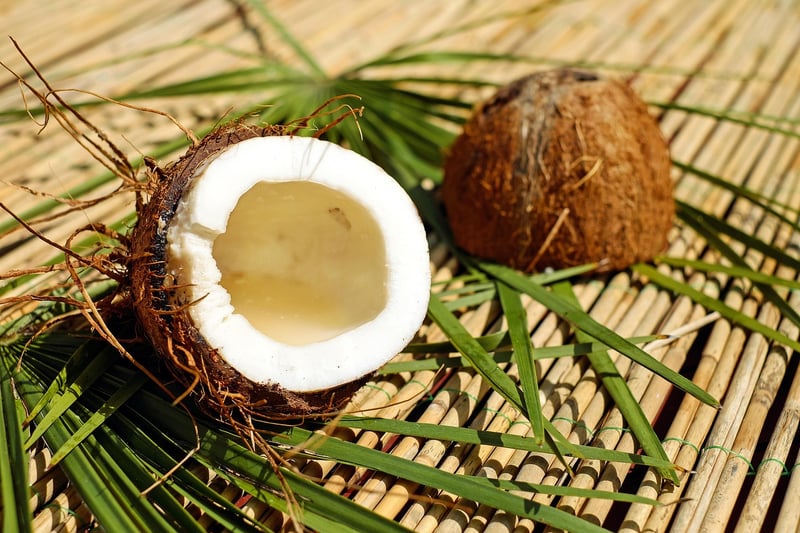
Coconut Flour
Made from dried coconut meat, coconut flour is another popular choice for those seeking a grain-free and paleo-friendly alternative. It has a subtly sweet taste and is high in fiber, making it ideal for creating light and fluffy baked treats.
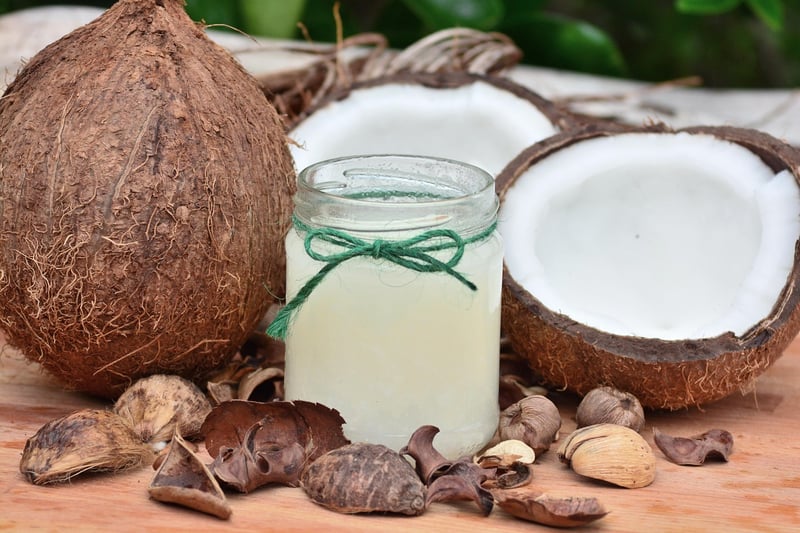
Hazelnut Flour
Ground from roasted hazelnuts, hazelnut flour adds a distinct nuttiness to recipes along with a hint of sweetness. It pairs beautifully with chocolate-based desserts and brings a unique flavor profile to pastries and muffins.

Experimenting with these nutty flour alternatives can open up a world of possibilities in your baking endeavors. Whether you're following a specific dietary plan or simply looking to infuse new flavors into your creations, incorporating these unique flours can elevate your baking game to new heights.
Embrace the creativity, embrace the flavors, and let your imagination run wild in the kitchen!